Blab Music
Makhadzi Responds to Zimbabwean Accusations Amid South Africas Anti-Immigration Tensions
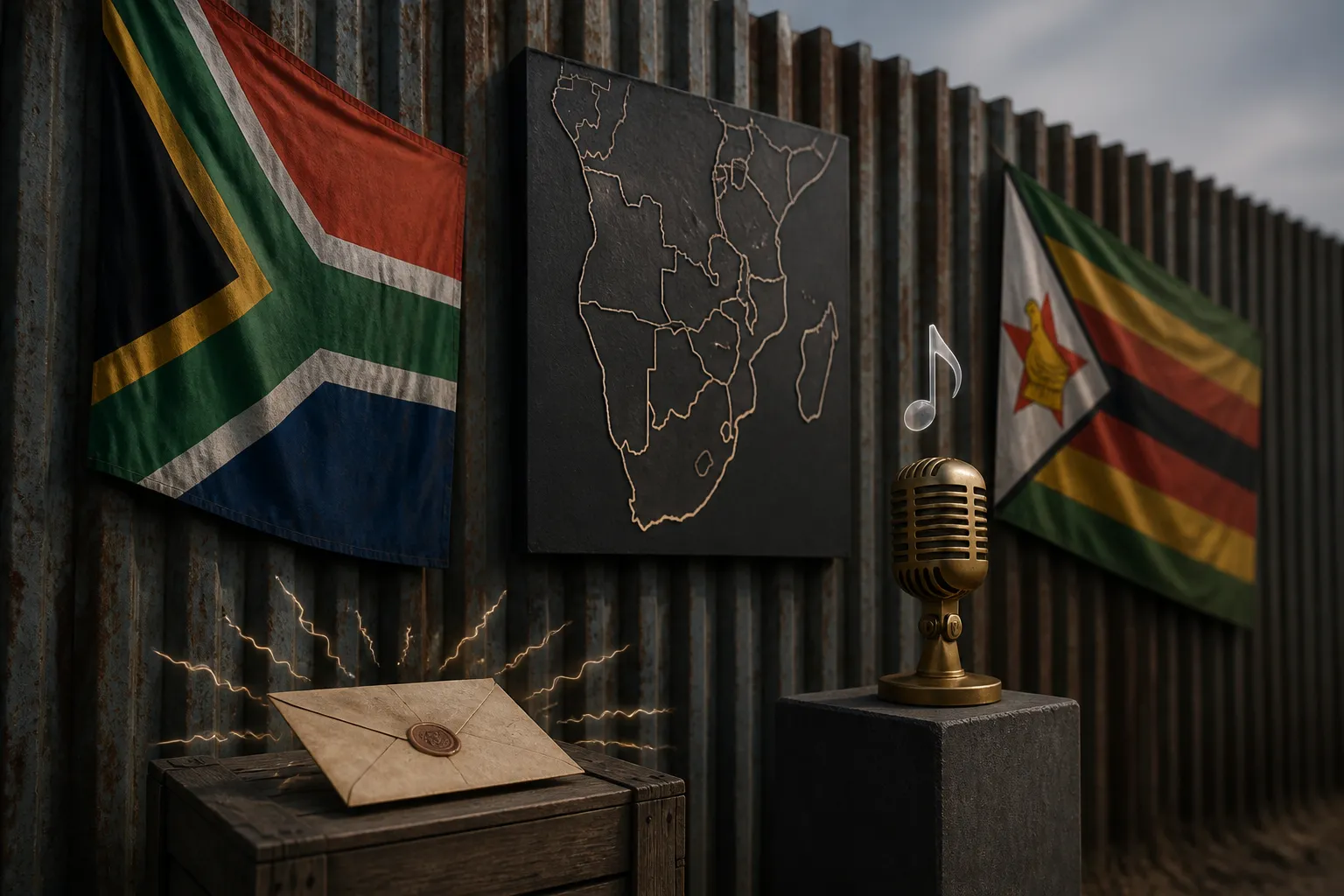
South African singer‑songwriter Makhadzi (real name Ndivhudzannyi Ralivhona) has publicly addressed claims that she harbours hostility toward Zimbabweans. The remarks surfaced after the artist’s scheduled performance in Zimbabwe was cancelled amid rising anti‑illegal‑immigration protests in South Africa.
In a Facebook post dated 5 July 2026, Makhadzi wrote, “When you get time tell me what shocked you in 2026. What shocked me is when Zim people said I hate them.” She added that she has consistently used her platform to support Zimbabwean musicians, noting that she has “cheered their artist all over my shows, after being the only artist booking African artist to my shows, after being only artist featuring their faves.” The post concluded with a statement of solidarity: “UBUNTU KNOWS NO BODDER, BUT RESPECT KNOWS EVERY LAW. My love have no boder, iam an African queen.”
The controversy follows the cancellation of Makhadzi’s appearance at the Cheso Music Festival in Harare on 31 July, a date that coincided with heightened anti‑immigration sentiment in South Africa. According to reports, the event was threatened by calls for a boycott from Zimbabwean audiences who linked the cancellation to the broader xenophobic climate in the region.
South Africa’s 2026 anti‑immigration movement has seen widespread protests, marches, and attacks targeting foreign nationals, including Zimbabweans who have sought work and refuge in the country. The movement, driven by groups such as Operation Dudula and Put South Africans First, has called for stricter enforcement of immigration laws and the deportation of undocumented migrants. The protests have intensified amid concerns over unemployment, crime, and pressure on public services.
Zimbabwean migrants in South Africa have faced legal and social challenges. Many arrived during the past decade seeking better economic opportunities, but the process of regularising their status remains complex. According to a VOA report, tens of thousands of Zimbabweans are attempting to legalise their stay, often encountering bureaucratic hurdles.
Makhadzi’s defence of her support for Zimbabwean artists is consistent with her past collaborations. She has worked with several Zimbabwean musicians, including appearances with local hip‑hop and gospel acts. Her Facebook post highlighted her history of booking and featuring Zimbabwean talent, underscoring her commitment to cross‑border artistic exchange.
The singer’s upcoming EP, slated for release on 31 July, was mentioned in her post as a focus for her supporters, known as the Khadzinators. While the EP’s content and commercial performance remain to be seen, the release date aligns with the anniversary of the cancelled Zimbabwean show, adding a layer of symbolic timing to her statement.
Industry observers note that several South African entertainers have faced backlash, cancellations, and withdrawn invitations as a result of the anti‑immigration protests. Public statements and perceived positions on the issue have been scrutinised, with some artists choosing to remain silent while others, like Makhadzi, have taken a public stance.
Makhadzi’s remarks have sparked mixed reactions on social media. Some fans defended her record of collaborating with African artists, while others continued to debate the broader immigration tensions. The artist’s use of the Ubuntu philosophy—emphasising shared humanity—was highlighted in her post, though she also acknowledged the need for respect of laws.
The situation remains fluid. Makhadzi’s EP release is scheduled for 31 July, and her next confirmed performance is a December show in Zimbabwe, as announced by her management. The anti‑immigration protests in South Africa continue to evolve, with authorities monitoring the situation closely. No official statements have been issued regarding the cancellation of the Zimbabwean festival beyond the initial reports.
In summary, Makhadzi has clarified that she does not hate Zimbabweans, citing her long‑standing support for their artists. The controversy underscores the intersection of music, migration, and politics in the region, as South Africa grapples with rising xenophobic sentiment and Zimbabwean artists navigate a complex touring landscape.
In a Facebook post dated 5 July 2026, Makhadzi wrote, “When you get time tell me what shocked you in 2026. What shocked me is when Zim people said I hate them.” She added that she has consistently used her platform to support Zimbabwean musicians, noting that she has “cheered their artist all over my shows, after being the only artist booking African artist to my shows, after being only artist featuring their faves.” The post concluded with a statement of solidarity: “UBUNTU KNOWS NO BODDER, BUT RESPECT KNOWS EVERY LAW. My love have no boder, iam an African queen.”
The controversy follows the cancellation of Makhadzi’s appearance at the Cheso Music Festival in Harare on 31 July, a date that coincided with heightened anti‑immigration sentiment in South Africa. According to reports, the event was threatened by calls for a boycott from Zimbabwean audiences who linked the cancellation to the broader xenophobic climate in the region.
South Africa’s 2026 anti‑immigration movement has seen widespread protests, marches, and attacks targeting foreign nationals, including Zimbabweans who have sought work and refuge in the country. The movement, driven by groups such as Operation Dudula and Put South Africans First, has called for stricter enforcement of immigration laws and the deportation of undocumented migrants. The protests have intensified amid concerns over unemployment, crime, and pressure on public services.
Zimbabwean migrants in South Africa have faced legal and social challenges. Many arrived during the past decade seeking better economic opportunities, but the process of regularising their status remains complex. According to a VOA report, tens of thousands of Zimbabweans are attempting to legalise their stay, often encountering bureaucratic hurdles.
Makhadzi’s defence of her support for Zimbabwean artists is consistent with her past collaborations. She has worked with several Zimbabwean musicians, including appearances with local hip‑hop and gospel acts. Her Facebook post highlighted her history of booking and featuring Zimbabwean talent, underscoring her commitment to cross‑border artistic exchange.
The singer’s upcoming EP, slated for release on 31 July, was mentioned in her post as a focus for her supporters, known as the Khadzinators. While the EP’s content and commercial performance remain to be seen, the release date aligns with the anniversary of the cancelled Zimbabwean show, adding a layer of symbolic timing to her statement.
Industry observers note that several South African entertainers have faced backlash, cancellations, and withdrawn invitations as a result of the anti‑immigration protests. Public statements and perceived positions on the issue have been scrutinised, with some artists choosing to remain silent while others, like Makhadzi, have taken a public stance.
Makhadzi’s remarks have sparked mixed reactions on social media. Some fans defended her record of collaborating with African artists, while others continued to debate the broader immigration tensions. The artist’s use of the Ubuntu philosophy—emphasising shared humanity—was highlighted in her post, though she also acknowledged the need for respect of laws.
The situation remains fluid. Makhadzi’s EP release is scheduled for 31 July, and her next confirmed performance is a December show in Zimbabwe, as announced by her management. The anti‑immigration protests in South Africa continue to evolve, with authorities monitoring the situation closely. No official statements have been issued regarding the cancellation of the Zimbabwean festival beyond the initial reports.
In summary, Makhadzi has clarified that she does not hate Zimbabweans, citing her long‑standing support for their artists. The controversy underscores the intersection of music, migration, and politics in the region, as South Africa grapples with rising xenophobic sentiment and Zimbabwean artists navigate a complex touring landscape.