Blab Music
Christian Metal Band Demon Hunter Sues Netflix Over KPop Demon Hunters Trademark
When a 25‑year‑old Christian metal band takes a courtroom to a streaming giant, the fight is as much about identity as it is about royalties.
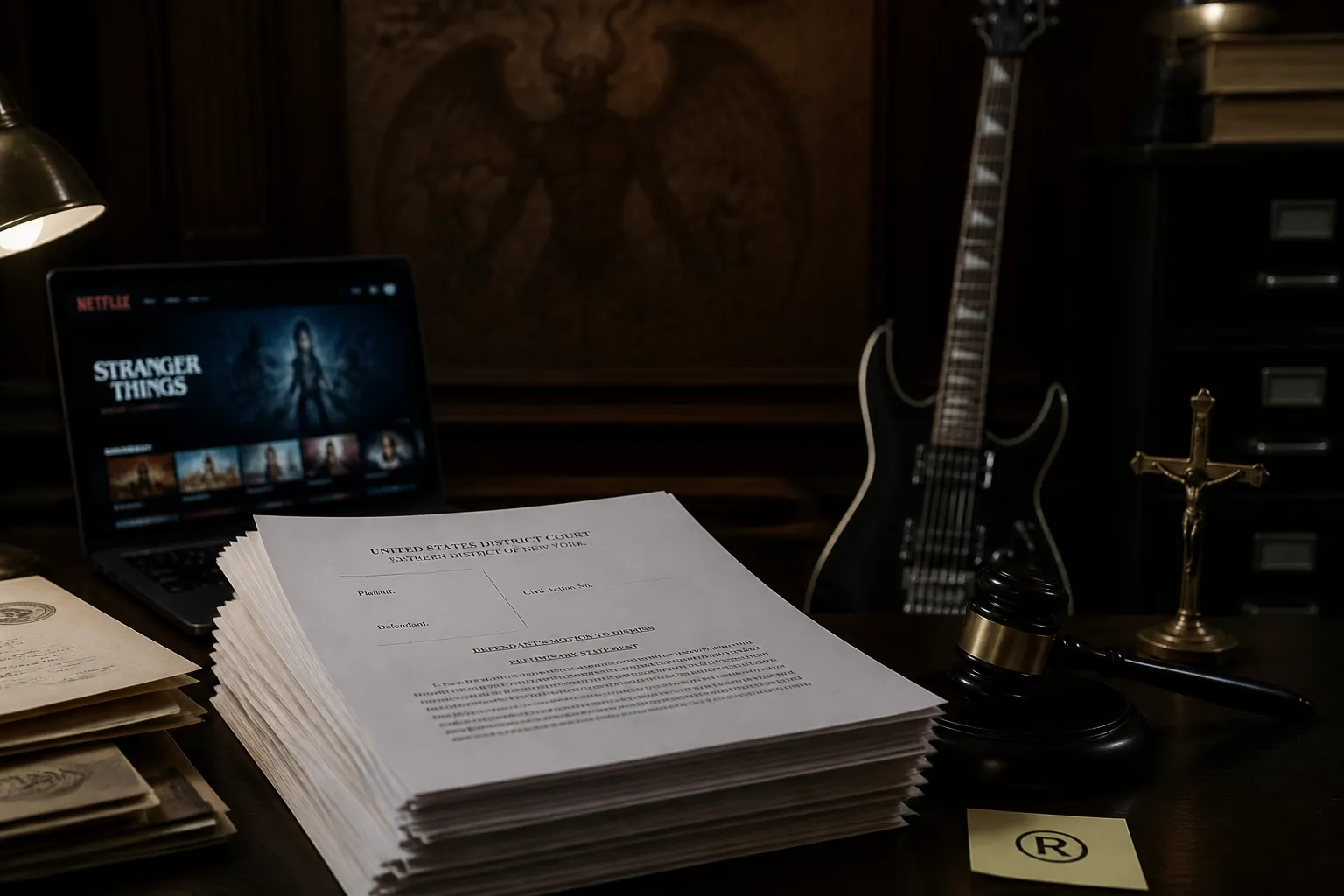
On August 18 2026, Demon Hunter’s corporate arm, Hyde Lane, filed a federal trademark suit in the U.S. District Court for the Central District of California. The band claims that Netflix’s 2025 animated feature KPop Demon Hunters—and the merchandise it has released under that name—violate the band’s established trademark, mislead consumers about the source of the products, and constitute unfair competition. According to the filing, the film’s title and associated goods overlap almost entirely with the items the band has marketed for the past 25 years, and the similarity has already sparked consumer confusion.
One concrete example of that confusion is a New York customer who paid $500 for a top‑tier Demon Hunter concert ticket, only to discover the ticket was for a KPop Demon Hunters live show. The buyer requested a refund, noting that they could not obtain tickets for the correct event.
Demon Hunter, founded in Seattle in 2000 by brothers Don and Ryan Clark, has sold more than 600,000 albums and earned a reputation within the Christian metal scene. The band’s legal team argues that it has invested significant goodwill in the name over two decades, and that Netflix’s vast financial resources and global reach effectively eclipse the band’s brand.
Netflix’s KPop Demon Hunters premiered last year and quickly became a worldwide hit. The studio released a soundtrack and a line of branded merchandise, and it filed several trademark applications for the KPop Demon Hunters name in connection with those products and a planned worldwide live‑concert tour in partnership with AEG Presents. The lawsuit contends that the tour announcement created an “almost complete overlap” with Demon Hunter’s merchandise.
The band is seeking a jury trial and requests that the court restore its “rightful interests” in the Demon Hunter trademark and the goodwill built around it. It also demands that Netflix be barred from using the KPop Demon Hunters name and seeks restitution and treble damages.
No statement from Netflix or AEG has been filed, and the lawsuit does not address whether the studio has acknowledged the band’s prior use of the name. This filing is the first public indication that a dispute has arisen.
Industry observers note that the case raises questions about how streaming platforms protect intellectual property when their titles overlap with existing trademarks. The band’s claim of reverse confusion—where a newer product is mistaken for an established brand—has appeared in other trademark disputes.
At present, the lawsuit is pending. No court order has been issued, and no settlement has been announced. The outcome could influence how streaming services approach naming and merchandising of original content, especially when titles resemble existing brands, and may affect how independent artists and bands protect their trademarks in an era of rapid digital distribution.
For now, Demon Hunter’s legal team is awaiting the court’s response. The band has not announced any new releases or tour dates, and Netflix has not issued a public statement regarding the lawsuit. The case will be monitored closely by legal experts and industry stakeholders, as it may set a precedent for future conflicts between established brands and large media conglomerates.
On August 18 2026, Demon Hunter’s corporate arm, Hyde Lane, filed a federal trademark suit in the U.S. District Court for the Central District of California. The band claims that Netflix’s 2025 animated feature KPop Demon Hunters—and the merchandise it has released under that name—violate the band’s established trademark, mislead consumers about the source of the products, and constitute unfair competition. According to the filing, the film’s title and associated goods overlap almost entirely with the items the band has marketed for the past 25 years, and the similarity has already sparked consumer confusion.
One concrete example of that confusion is a New York customer who paid $500 for a top‑tier Demon Hunter concert ticket, only to discover the ticket was for a KPop Demon Hunters live show. The buyer requested a refund, noting that they could not obtain tickets for the correct event.
Demon Hunter, founded in Seattle in 2000 by brothers Don and Ryan Clark, has sold more than 600,000 albums and earned a reputation within the Christian metal scene. The band’s legal team argues that it has invested significant goodwill in the name over two decades, and that Netflix’s vast financial resources and global reach effectively eclipse the band’s brand.
Netflix’s KPop Demon Hunters premiered last year and quickly became a worldwide hit. The studio released a soundtrack and a line of branded merchandise, and it filed several trademark applications for the KPop Demon Hunters name in connection with those products and a planned worldwide live‑concert tour in partnership with AEG Presents. The lawsuit contends that the tour announcement created an “almost complete overlap” with Demon Hunter’s merchandise.
The band is seeking a jury trial and requests that the court restore its “rightful interests” in the Demon Hunter trademark and the goodwill built around it. It also demands that Netflix be barred from using the KPop Demon Hunters name and seeks restitution and treble damages.
No statement from Netflix or AEG has been filed, and the lawsuit does not address whether the studio has acknowledged the band’s prior use of the name. This filing is the first public indication that a dispute has arisen.
Industry observers note that the case raises questions about how streaming platforms protect intellectual property when their titles overlap with existing trademarks. The band’s claim of reverse confusion—where a newer product is mistaken for an established brand—has appeared in other trademark disputes.
At present, the lawsuit is pending. No court order has been issued, and no settlement has been announced. The outcome could influence how streaming services approach naming and merchandising of original content, especially when titles resemble existing brands, and may affect how independent artists and bands protect their trademarks in an era of rapid digital distribution.
For now, Demon Hunter’s legal team is awaiting the court’s response. The band has not announced any new releases or tour dates, and Netflix has not issued a public statement regarding the lawsuit. The case will be monitored closely by legal experts and industry stakeholders, as it may set a precedent for future conflicts between established brands and large media conglomerates.