Blab Music
Billy Prestons Fender Rhodes Moment in the Beatles 1969 Get Back Sessions
In January 1969, the Beatles were back in the studio at Apple Studios on Savile Row, London, after a period of recording separate tracks. The group wanted to re‑capture the collaborative energy of their early days, but they lacked a player for the newly released Fender Rhodes electric piano. According to the 2021 documentary Get Back, George Harrison invited the touring keyboardist Billy Preston to join the session. Preston, who was in London with Ray Charles at the time, agreed to sit in and play the Rhodes on the gospel‑rock track “I’ve Got a Feeling.”
Preston’s contribution was more than a background fill. In the film, John Lennon asks, “We need somebody else, a guy who plays piano all the time,” and Preston’s response is a brief giggle followed by a Rhodes solo that blends major and minor chords in a blues‑inspired “emotional in‑between” zone. The solo’s pinched electric tone added depth to the song’s momentum, and Paul McCartney’s reaction in the footage shows the impact of the new texture.
The session produced the single “Get Back,” which was credited to “The Beatles with Billy Preston.” The credit is significant because it is one of the few times a non‑Beatle has been formally acknowledged on a Beatles recording. The single was released in 1969 and later appeared on the Let It Be album. Preston’s work on the track is still audible on the 2009 remastered version of the song.
Billy Preston’s career extended beyond this moment. He was a top session keyboardist in the 1960s, backing artists such as Little Richard, Sam Cooke, Ray Charles, the Everly Brothers, Reverend James Cleveland, the Beatles, and the Rolling Stones. As a solo artist he released hits like “That’s the Way God Planned It,” “Outa‑Space,” and “Will It Go Round in Circles.” He also co‑wrote “You Are So Beautiful,” which became a hit for Joe Cocker.
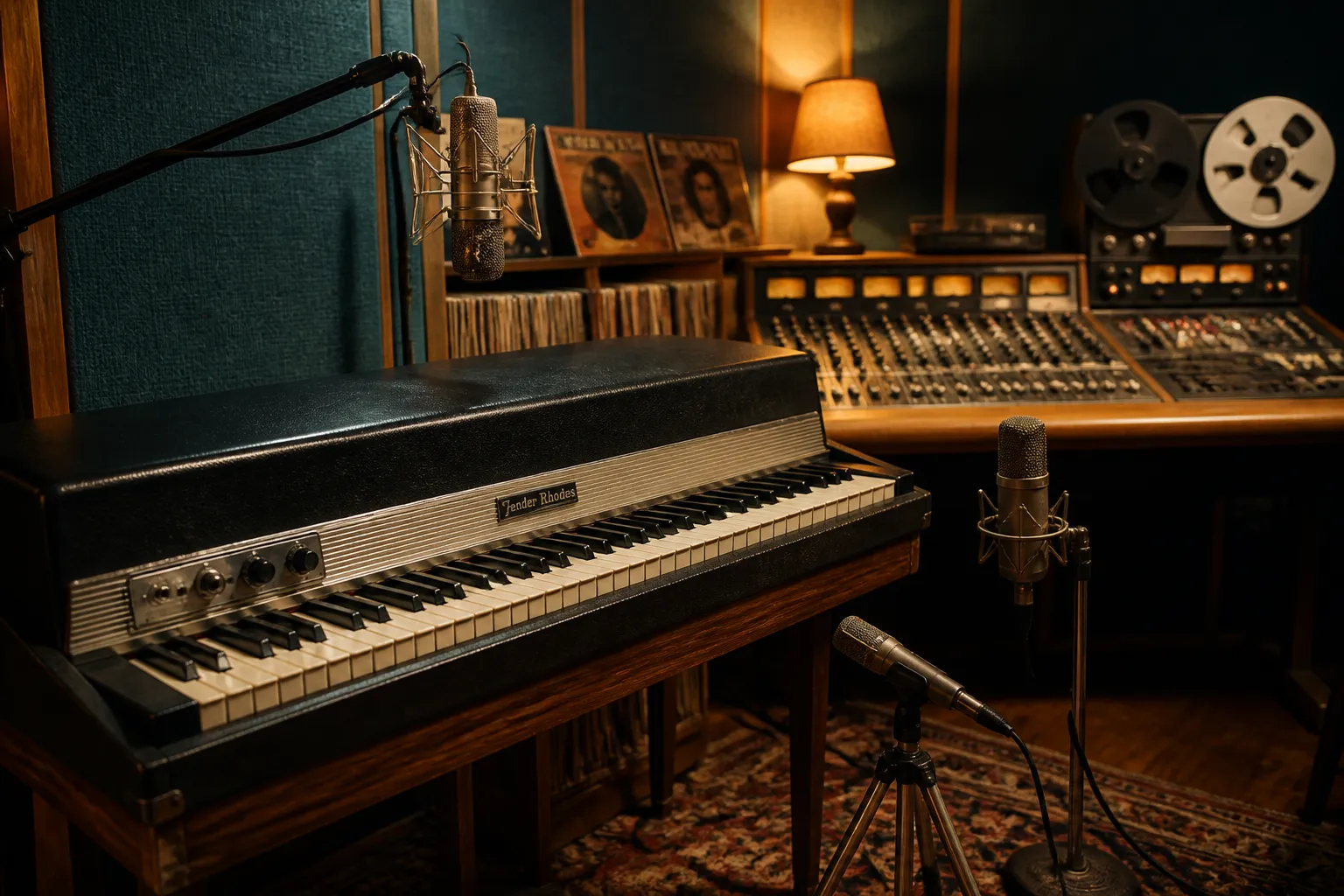
The Fender Rhodes itself was invented by Harold Rhodes and later marketed by Leo Fender. The instrument uses hammers striking metal tines that vibrate near electromagnetic pickups, producing a distinctive electric piano sound. By 1965, the Rhodes had entered the studio market and was a new tool for musicians. Preston’s use of the instrument on the Beatles’ session demonstrated its versatility and helped cement its place in popular music.
The 2021 Get Back documentary, directed by Peter Jackson, draws largely from the original 1970 footage of the Let It Be sessions. It premiered on Disney+ in November 2021 and was later released on DVD and Blu‑ray in July 2022. The series has been praised for its candid look at the Beatles’ creative process and for revealing moments—such as Preston’s Rhodes solo—that were previously unseen.
Billy Preston’s legacy was formally recognized in 2021 when he was inducted into the Rock and Roll Hall of Fame. His work with the Beatles remains a notable example of a session musician’s influence on a major recording. The 2021 documentary has introduced his contribution to a new generation of listeners, ensuring that his brief but memorable Rhodes moment continues to be appreciated within the broader narrative of the Beatles’ final studio years.
The story of Billy Preston’s involvement in the 1969 Get Back sessions illustrates how a single instrument and a single musician can shape the sound of a historic recording. It also highlights the collaborative spirit that persisted among the Beatles even as their internal dynamics were evolving. Today, the recording remains available on streaming platforms, and the documentary continues to be a resource for fans and scholars interested in the detailed history of the Beatles’ studio work.
Preston’s contribution was more than a background fill. In the film, John Lennon asks, “We need somebody else, a guy who plays piano all the time,” and Preston’s response is a brief giggle followed by a Rhodes solo that blends major and minor chords in a blues‑inspired “emotional in‑between” zone. The solo’s pinched electric tone added depth to the song’s momentum, and Paul McCartney’s reaction in the footage shows the impact of the new texture.
The session produced the single “Get Back,” which was credited to “The Beatles with Billy Preston.” The credit is significant because it is one of the few times a non‑Beatle has been formally acknowledged on a Beatles recording. The single was released in 1969 and later appeared on the Let It Be album. Preston’s work on the track is still audible on the 2009 remastered version of the song.
Billy Preston’s career extended beyond this moment. He was a top session keyboardist in the 1960s, backing artists such as Little Richard, Sam Cooke, Ray Charles, the Everly Brothers, Reverend James Cleveland, the Beatles, and the Rolling Stones. As a solo artist he released hits like “That’s the Way God Planned It,” “Outa‑Space,” and “Will It Go Round in Circles.” He also co‑wrote “You Are So Beautiful,” which became a hit for Joe Cocker.
The Fender Rhodes itself was invented by Harold Rhodes and later marketed by Leo Fender. The instrument uses hammers striking metal tines that vibrate near electromagnetic pickups, producing a distinctive electric piano sound. By 1965, the Rhodes had entered the studio market and was a new tool for musicians. Preston’s use of the instrument on the Beatles’ session demonstrated its versatility and helped cement its place in popular music.
The 2021 Get Back documentary, directed by Peter Jackson, draws largely from the original 1970 footage of the Let It Be sessions. It premiered on Disney+ in November 2021 and was later released on DVD and Blu‑ray in July 2022. The series has been praised for its candid look at the Beatles’ creative process and for revealing moments—such as Preston’s Rhodes solo—that were previously unseen.
Billy Preston’s legacy was formally recognized in 2021 when he was inducted into the Rock and Roll Hall of Fame. His work with the Beatles remains a notable example of a session musician’s influence on a major recording. The 2021 documentary has introduced his contribution to a new generation of listeners, ensuring that his brief but memorable Rhodes moment continues to be appreciated within the broader narrative of the Beatles’ final studio years.
The story of Billy Preston’s involvement in the 1969 Get Back sessions illustrates how a single instrument and a single musician can shape the sound of a historic recording. It also highlights the collaborative spirit that persisted among the Beatles even as their internal dynamics were evolving. Today, the recording remains available on streaming platforms, and the documentary continues to be a resource for fans and scholars interested in the detailed history of the Beatles’ studio work.