Blab Music
Minneapolis Launches Free Mile of Music to Boost Local Economy Amid Post-Surge Recovery
On Wednesday, Aug. 19, 2026, Minneapolis will light up its downtown streets with a city‑wide, free music showcase that promises to give the city’s commercial districts a fresh pulse.
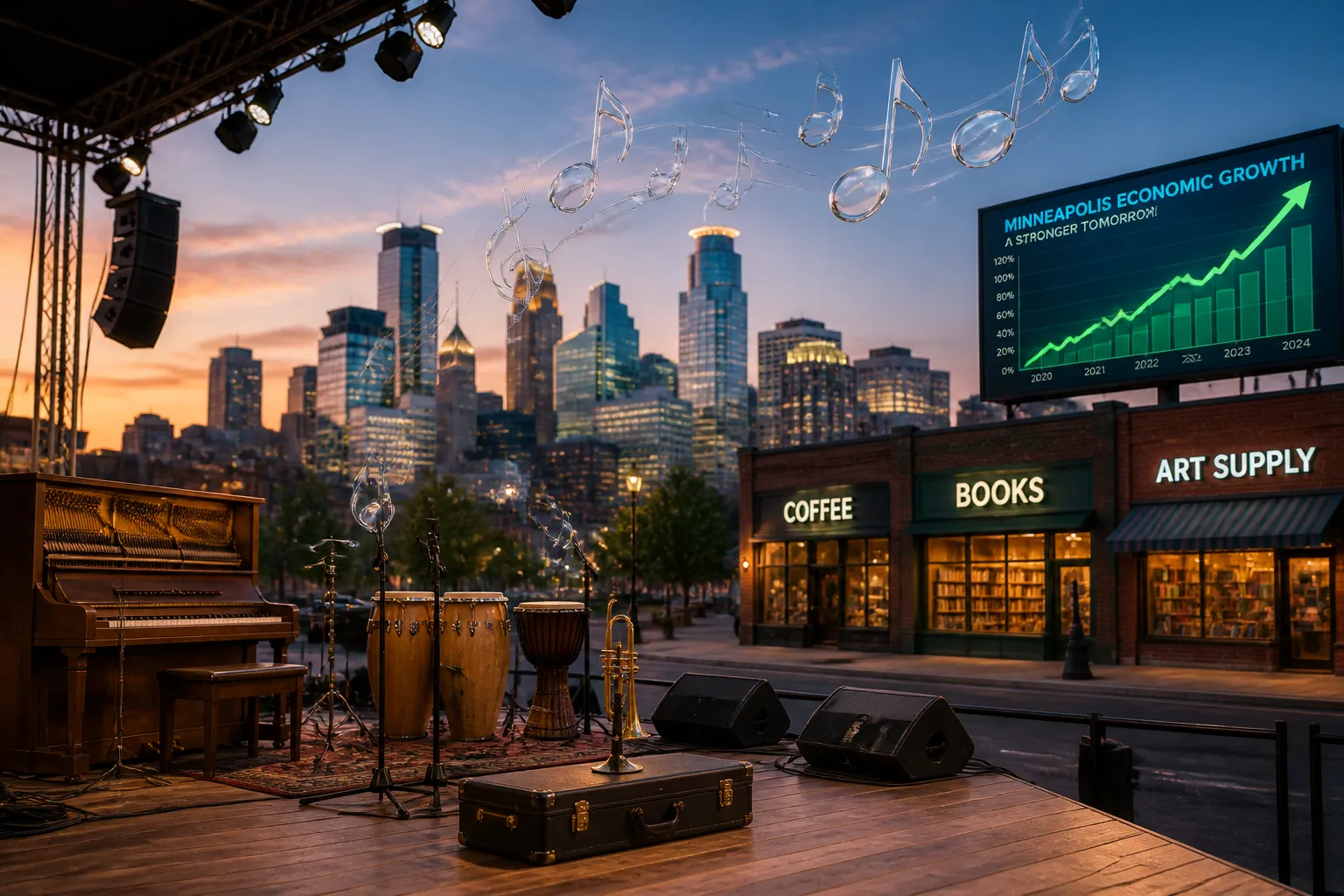
The Minneapolis Mile of Music will snake through four downtown corridors—Saint Anthony Main, the downtown core, and Eat Street Crossing—linking more than 25 venues, from cafés and restaurants to patios and the Minnesota Orchestra lobby. The city’s Arts and Cultural Affairs office says the event will let residents and visitors hop from one venue to the next between 4 p.m. and 8 p.m., hearing a mix of jazz, R&B, soul, rock, and cultural music.
City officials say the Mile of Music is part of a broader effort to revive commercial districts after the federal Operation Metro Surge crackdown on illegal immigration in Minnesota. Mayor Jacob Frey told reporters that Minneapolis’ cultural identity is built on its artists and that the city must support them. "Make sure that you're doing that, by the way. Make sure that you're contributing to them, that you're tipping them, and then that these local venues feel the benefit as well," Frey said.
The event is funded through the Small Business Resiliency Fund (SBRF), a $7 million program designed to help businesses recover from the impacts of Metro Surge. City Director of Arts and Cultural Affairs Ben Johnson said the SBRF portion of the fund will be used to host fee‑free events that lift up venues that create space for artists and art lovers. Johnson added that the Mile of Music is intended to be the first of many annual celebrations.
From 4 p.m. to 8 p.m., attendees can move from one venue to the next, experiencing a mix of jazz, R&B, soul, rock, and cultural music. The lineup includes local acts that have performed in the city’s historic music neighborhoods, such as South Minneapolis, Cedar‑Riverside, and the North Side. In addition to the Minnesota Orchestra lobby, the event will feature Brit’s Pub, the Aster Café, and other neighborhood favorites.
The Mile of Music is part of a larger series of free summer music events announced by the city earlier this year. The initiative aims to support local venues and businesses by providing a platform for artists and a draw for residents and visitors. According to the city’s event page, the free mini concerts are open to the public and are designed to showcase the diversity of Minneapolis’ music scene.
The event’s corridor layout—spanning Saint Anthony Main, downtown, and Eat Street—mirrors the city’s historic commercial arteries. By concentrating performances along these routes, the city hopes to increase foot traffic to small businesses and encourage spending in the surrounding neighborhoods.
While the Mile of Music is a new concept for Minneapolis, the city has a long tradition of supporting local music. The Minneapolis music scene has produced nationally recognized artists such as Prince and Bob Dylan and has nurtured a vibrant community of musicians across multiple genres. The city’s cultural institutions—including the Minneapolis Institute of Art, the Walker Art Center, and the Guthrie Theater—have long championed the arts.
City officials emphasize that the Mile of Music is a community‑driven project. The event is organized in partnership with local venue owners, musicians, and community groups. The city’s Arts and Cultural Affairs office will coordinate logistics, but the performers and venues are responsible for their own sets.
The Minneapolis Mile of Music is scheduled to run for one night only, but city leaders hope it will become an annual tradition. The event is free, and attendees are encouraged to tip performers and patronize the venues that host the shows.
For more information, including a list of participating venues and a map of the event corridors, residents can visit the city’s official Mile of Music webpage or the Cantus organization’s event page.
The Mile of Music represents a concrete step toward revitalizing Minneapolis’ commercial districts and supporting the city’s diverse music community. As the city continues to recover from the economic disruptions caused by Operation Metro Surge, the event offers a low‑cost, high‑impact opportunity to bring people together and stimulate local commerce.
The Minneapolis Mile of Music will snake through four downtown corridors—Saint Anthony Main, the downtown core, and Eat Street Crossing—linking more than 25 venues, from cafés and restaurants to patios and the Minnesota Orchestra lobby. The city’s Arts and Cultural Affairs office says the event will let residents and visitors hop from one venue to the next between 4 p.m. and 8 p.m., hearing a mix of jazz, R&B, soul, rock, and cultural music.
City officials say the Mile of Music is part of a broader effort to revive commercial districts after the federal Operation Metro Surge crackdown on illegal immigration in Minnesota. Mayor Jacob Frey told reporters that Minneapolis’ cultural identity is built on its artists and that the city must support them. "Make sure that you're doing that, by the way. Make sure that you're contributing to them, that you're tipping them, and then that these local venues feel the benefit as well," Frey said.
The event is funded through the Small Business Resiliency Fund (SBRF), a $7 million program designed to help businesses recover from the impacts of Metro Surge. City Director of Arts and Cultural Affairs Ben Johnson said the SBRF portion of the fund will be used to host fee‑free events that lift up venues that create space for artists and art lovers. Johnson added that the Mile of Music is intended to be the first of many annual celebrations.
From 4 p.m. to 8 p.m., attendees can move from one venue to the next, experiencing a mix of jazz, R&B, soul, rock, and cultural music. The lineup includes local acts that have performed in the city’s historic music neighborhoods, such as South Minneapolis, Cedar‑Riverside, and the North Side. In addition to the Minnesota Orchestra lobby, the event will feature Brit’s Pub, the Aster Café, and other neighborhood favorites.
The Mile of Music is part of a larger series of free summer music events announced by the city earlier this year. The initiative aims to support local venues and businesses by providing a platform for artists and a draw for residents and visitors. According to the city’s event page, the free mini concerts are open to the public and are designed to showcase the diversity of Minneapolis’ music scene.
The event’s corridor layout—spanning Saint Anthony Main, downtown, and Eat Street—mirrors the city’s historic commercial arteries. By concentrating performances along these routes, the city hopes to increase foot traffic to small businesses and encourage spending in the surrounding neighborhoods.
While the Mile of Music is a new concept for Minneapolis, the city has a long tradition of supporting local music. The Minneapolis music scene has produced nationally recognized artists such as Prince and Bob Dylan and has nurtured a vibrant community of musicians across multiple genres. The city’s cultural institutions—including the Minneapolis Institute of Art, the Walker Art Center, and the Guthrie Theater—have long championed the arts.
City officials emphasize that the Mile of Music is a community‑driven project. The event is organized in partnership with local venue owners, musicians, and community groups. The city’s Arts and Cultural Affairs office will coordinate logistics, but the performers and venues are responsible for their own sets.
The Minneapolis Mile of Music is scheduled to run for one night only, but city leaders hope it will become an annual tradition. The event is free, and attendees are encouraged to tip performers and patronize the venues that host the shows.
For more information, including a list of participating venues and a map of the event corridors, residents can visit the city’s official Mile of Music webpage or the Cantus organization’s event page.
The Mile of Music represents a concrete step toward revitalizing Minneapolis’ commercial districts and supporting the city’s diverse music community. As the city continues to recover from the economic disruptions caused by Operation Metro Surge, the event offers a low‑cost, high‑impact opportunity to bring people together and stimulate local commerce.