Peter de Jong, Frontman of Newcastles Heroes, Dies After Five Decades of Music
Peter de Jong, the charismatic voice that defined Newcastle’s pub‑rock scene, died this week, closing a career that began in the early 1970s and became inseparable from one of the city’s most significant nights in music history.
De Jong first stepped into the spotlight in 1971, fronting Armageddon and clinching the Newcastle heat of Hoadley’s Battle of the Sounds in back‑to‑back years.
Though the band never released a commercial record, the victories marked De Jong as a leading local talent.
In 1977, he joined forces with guitarist Mark Tinson, bassist Jim Porteous and drummer Phil Screen to form Heroes.
The new lineup built a devoted regional following before the 1979 closure of the Star Hotel catapulted the group onto the national stage.
Heroes played the final night at the Star Hotel on 19 September 1979.
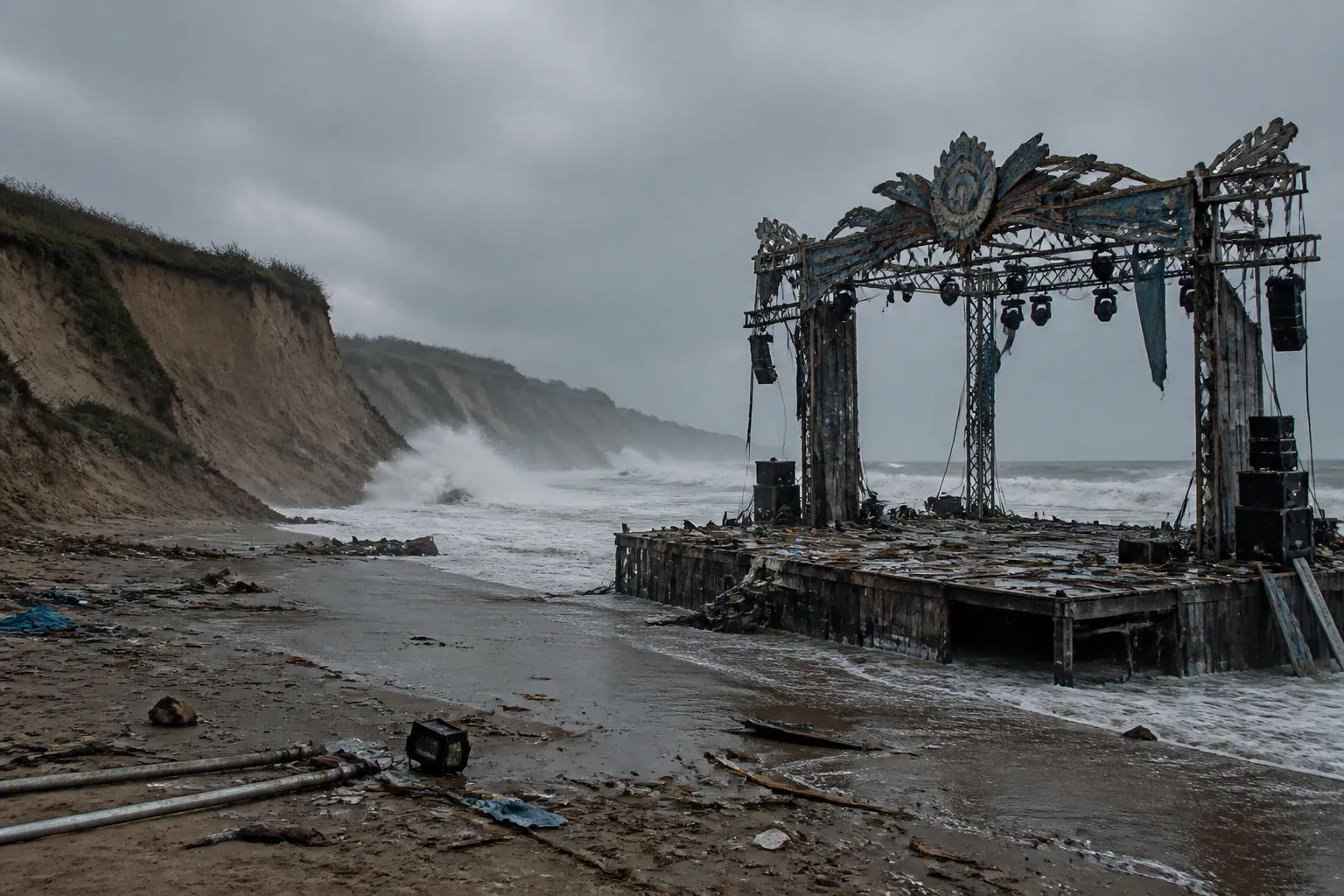
When police moved to halt the set, a riot erupted on King Street, cementing De Jong and the band in the folklore of that fateful evening.
The incident became intertwined with Heroes’ most iconic track, "The Star And The Slaughter", which the band had penned before the riot.
The song later appeared on ABC’s Countdown, a program that even incorporated footage of the ensuing disturbances.
The publicity surrounding the Star Hotel drama helped Heroes land a deal with Albert Productions.
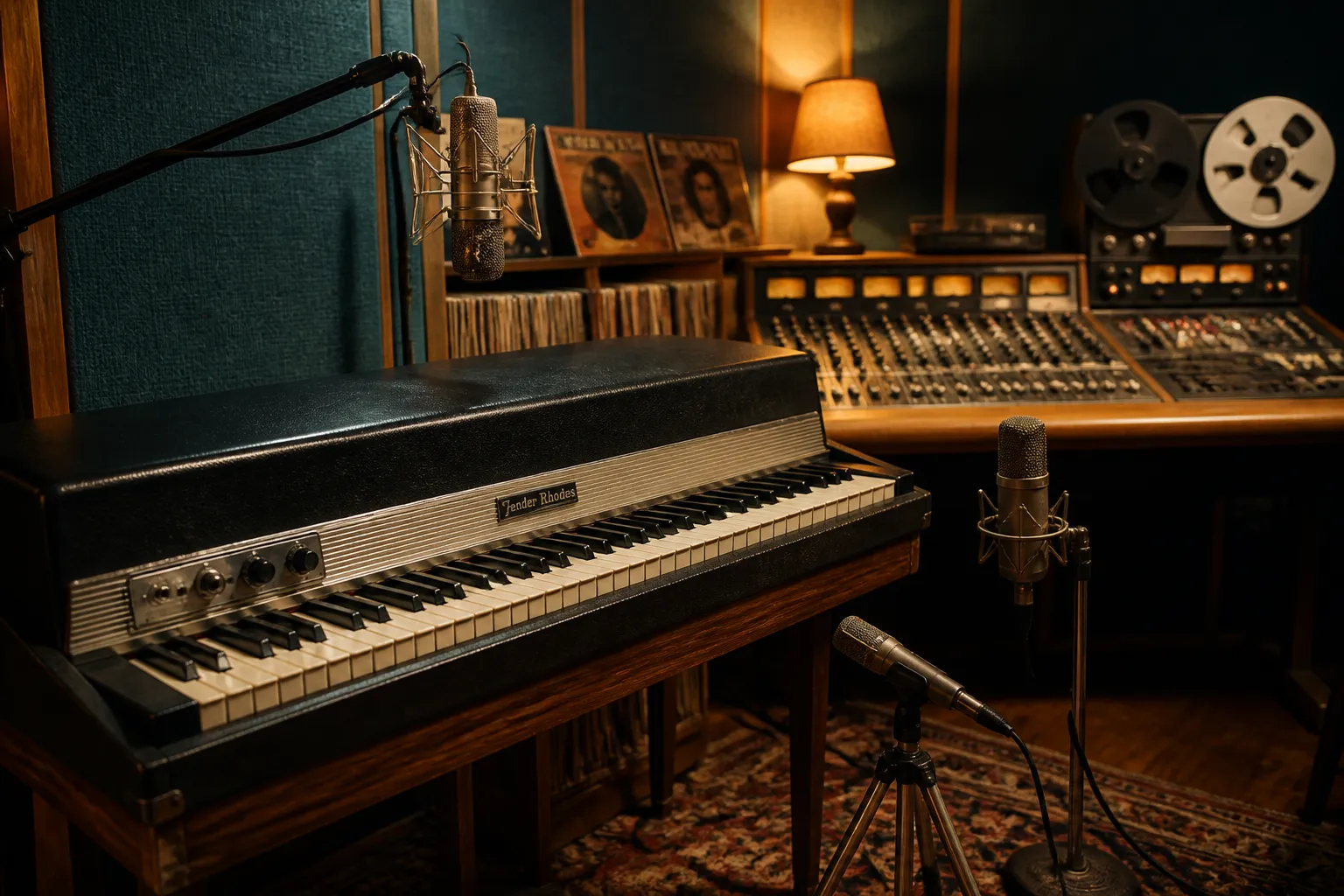
Their self‑titled debut, recorded at Albert Studios with former Easybeats members Harry Vanda and George Young, launched the single "Baby’s Had A Taste", written by De Jong.
Heroes’ first appearance on Countdown showcased both "Baby’s Had A Taste" and "The Star And The Slaughter." The album topped the Newcastle charts and made a splash nationally.
A second album was slated during the band’s time with Albert Productions, but it would not surface until 2015, when previously recorded and unreleased material was finally issued.
Heroes were active mainly between 1977 and 1982, then reformed on several occasions.
Their legacy endured as Newcastle musicians and audiences kept revisiting the catalogue.
De Jong stayed busy performing across Newcastle and the Hunter region.
Later, he toured solo as Big Pete and teamed up with Jim Porteous to form the duo Two Smarts.
His passing has reignited interest in Heroes’ place within Newcastle’s musical narrative.
The band emerged from a vibrant era of Australian pub rock, where regional acts could build local followings before seeking national exposure.
Heroes’ appearance on Countdown was a milestone for a Newcastle group.
National TV exposure could dramatically widen an artist’s audience, and the band’s performances placed De Jong and his mates before viewers far beyond the Hunter.
While the Star Hotel episode remains inseparable from Heroes’ story, De Jong’s songwriting went well beyond that moment.
He penned "Baby’s Had A Taste", and the catalogue also featured "Back To The Love" and "The Star And The Slaughter," songs that continue to echo in Newcastle’s local memory.
De Jong was also celebrated as a musician who kept playing for local audiences long after the national spotlight had shifted.
His work with Two Smarts and as Big Pete sustained a direct link to the venues and fans where his career began.
The lasting affection for Heroes surfaced in later reunions, including shows with surviving members.
In 2024, De Jong performed with Heroes at Mark Tinson’s 70th birthday celebration, underscoring the band’s enduring appeal decades after its formation.
For a generation of Newcastle musicians, Heroes charted a route from local venues to national television and record deals.
The band’s narrative helped lay the groundwork for the broader Newcastle rock tradition that would later yield nationally successful acts such as The Screaming Jets and Silverchair.
De Jong’s death leaves Heroes’ music as the primary testament to a career that bridged several generations of Newcastle’s music community.
His family remembers him not only as a performer and songwriter but also as a husband, father, friend and mentor to regional musicians.
The Newcastle music community will now remember one of its most enduring voices and the songs that helped shape an important chapter in the city’s rock history.