Blab Music
Tom Waits Celebrates 50 Years of Small Change with New Vinyl Reissue
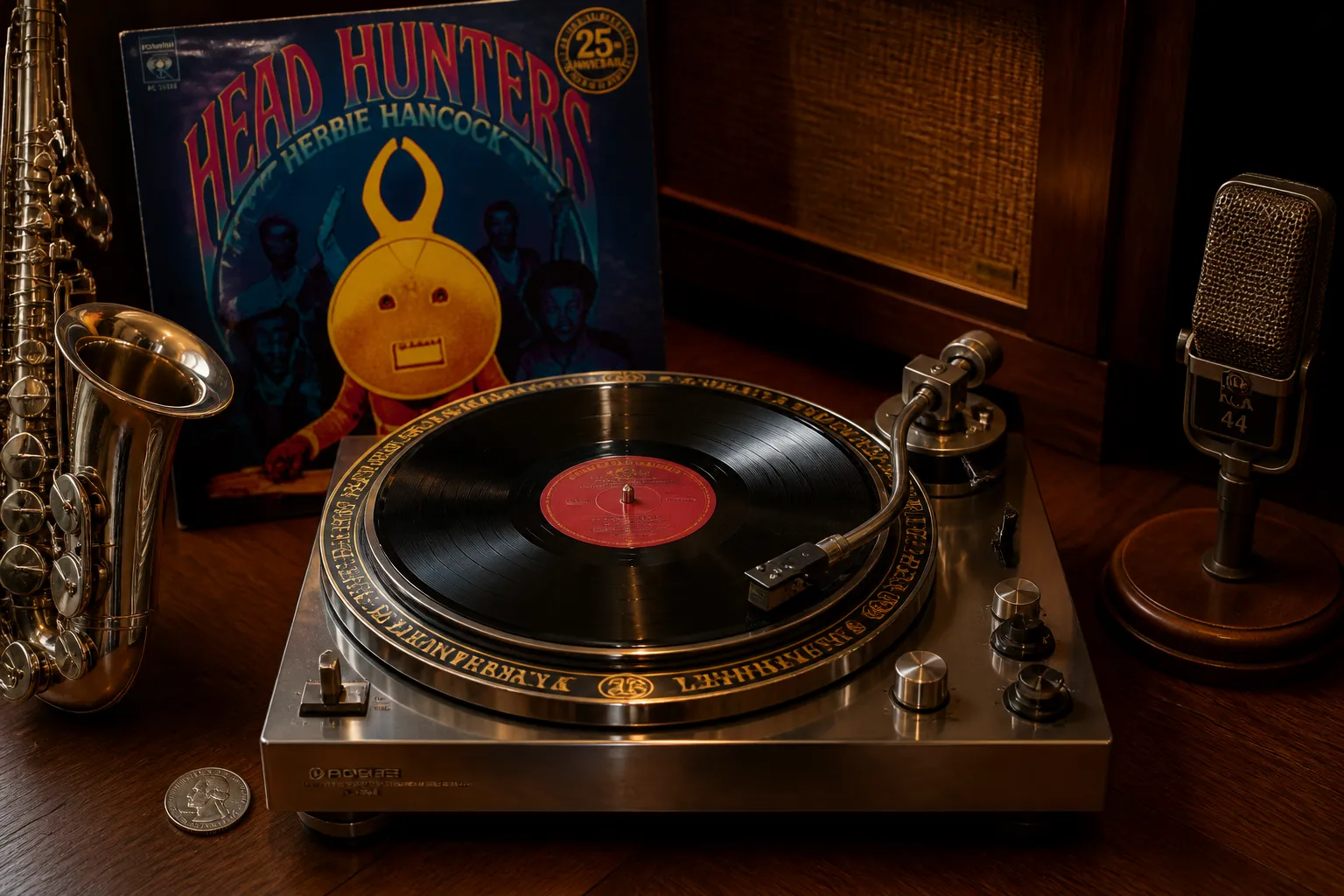
On October 2, 2026, Anti‑Records will bring Tom Waits’ 1976 landmark Small Change back to the shelves in a 50th‑anniversary vinyl edition. The release commemorates the album’s half‑century milestone and its role in ushering Waits from folk roots into the gritty blend of jazz, blues, cabaret and spoken‑word that would define his later career.
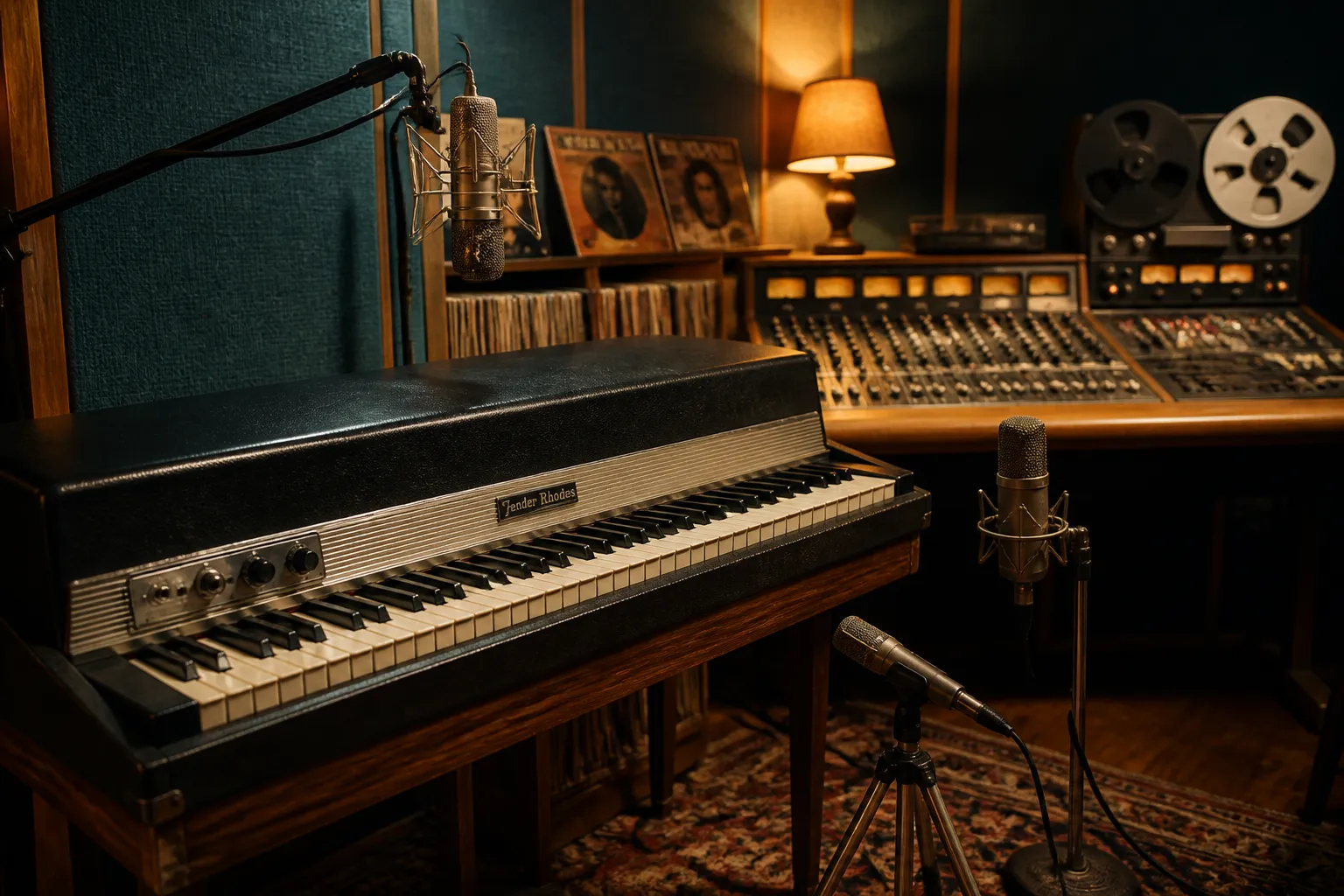
The original sessions took place in July 1976 at Wally Heider Studio 3 in Hollywood. Producer Bones Howe, who favored the raw immediacy of 1950s jazz recordings, recorded the band directly to two‑track stereo tape. Howe assembled a tight group—drummer Shelly Manne, tenor saxophonist Lew Tabackin, bassist Jim Hughart and violinist Harry Bluestone—to play together in a single room, foregoing isolated headphone mixes for a more spontaneous sound.
Eleven tracks weave jazz‑inspired arrangements with bluesy piano, upright bass, drums, saxophone and occasional strings. The album opens with “Tom Traubert’s Blues (Four Sheets to the Wind in Copenhagen)”, a song that borrows the refrain of the Australian folk tune “Waltzing Matilda” and would later become one of Waits’ most enduring pieces. Other cuts—“Step Right Up”, “The Piano Has Been Drinking (Not Me)” and “I Can’t Wait to Get Off Work (And See My Baby on Montgomery Avenue)”—display Waits’ sharp observational lyricism. In a 1976 interview, Waits explained that the album’s characters—ambulance drivers, night‑watchmen, ticket takers and street sweepers—were drawn from conversations he heard while working as a nightclub doorman in Los Angeles and in all‑night coffee shops.
Small Change was Waits’ first album to chart on the Billboard 200, peaking at No. 89. The stronger commercial performance prompted the formation of a touring ensemble called The Nocturnal Emissions, featuring Frank Vicari on tenor saxophone, FitzGerald Jenkins on bass and Chip White on drums and vibraphone. The group performed across Europe and the United States from October 1976 to May 1977.
The album’s influence has rippled beyond its initial release. Rod Stewart recorded a version of “Tom Traubert’s Blues” in the early 1990s, and a saxophone intro from the track “Got Rained on with His Own .38” was used to open the BBC Two film programme Moviedrome in 1988. Small Change’s blend of humor and melancholy, and its focus on marginalised urban characters, helped shape Waits’ later work and cemented the record’s place in his catalog.
In July 2026, Waits issued a new spoken‑word piece titled The Fly, a dark‑humour‑laden exploration of the common housefly. The release was one of the artist’s few recent outputs, as Waits has been deliberately selective in his recording activity.
The 50th‑anniversary vinyl will preserve the original 11‑song sequence. While no further releases or tour dates have been announced, the reissue offers collectors and new listeners a chance to experience the album that marked a turning point in Waits’ career.
The original sessions took place in July 1976 at Wally Heider Studio 3 in Hollywood. Producer Bones Howe, who favored the raw immediacy of 1950s jazz recordings, recorded the band directly to two‑track stereo tape. Howe assembled a tight group—drummer Shelly Manne, tenor saxophonist Lew Tabackin, bassist Jim Hughart and violinist Harry Bluestone—to play together in a single room, foregoing isolated headphone mixes for a more spontaneous sound.
Eleven tracks weave jazz‑inspired arrangements with bluesy piano, upright bass, drums, saxophone and occasional strings. The album opens with “Tom Traubert’s Blues (Four Sheets to the Wind in Copenhagen)”, a song that borrows the refrain of the Australian folk tune “Waltzing Matilda” and would later become one of Waits’ most enduring pieces. Other cuts—“Step Right Up”, “The Piano Has Been Drinking (Not Me)” and “I Can’t Wait to Get Off Work (And See My Baby on Montgomery Avenue)”—display Waits’ sharp observational lyricism. In a 1976 interview, Waits explained that the album’s characters—ambulance drivers, night‑watchmen, ticket takers and street sweepers—were drawn from conversations he heard while working as a nightclub doorman in Los Angeles and in all‑night coffee shops.
Small Change was Waits’ first album to chart on the Billboard 200, peaking at No. 89. The stronger commercial performance prompted the formation of a touring ensemble called The Nocturnal Emissions, featuring Frank Vicari on tenor saxophone, FitzGerald Jenkins on bass and Chip White on drums and vibraphone. The group performed across Europe and the United States from October 1976 to May 1977.
The album’s influence has rippled beyond its initial release. Rod Stewart recorded a version of “Tom Traubert’s Blues” in the early 1990s, and a saxophone intro from the track “Got Rained on with His Own .38” was used to open the BBC Two film programme Moviedrome in 1988. Small Change’s blend of humor and melancholy, and its focus on marginalised urban characters, helped shape Waits’ later work and cemented the record’s place in his catalog.
In July 2026, Waits issued a new spoken‑word piece titled The Fly, a dark‑humour‑laden exploration of the common housefly. The release was one of the artist’s few recent outputs, as Waits has been deliberately selective in his recording activity.
The 50th‑anniversary vinyl will preserve the original 11‑song sequence. While no further releases or tour dates have been announced, the reissue offers collectors and new listeners a chance to experience the album that marked a turning point in Waits’ career.