Blab Music
UK Music Festivals: Red Rooster Canceled, Kernowfornia Falls, but Independent Events Like Nene Valley and Maid of Stone Thrive
After more than a decade of summer line‑ups on the Norfolk/Suffolk border, Red Rooster announced it will not return in 2026. The Euston Estate, which had hosted the 28‑30 May event, will see the festival go dark, organisers said, citing escalating costs and lower ticket demand.
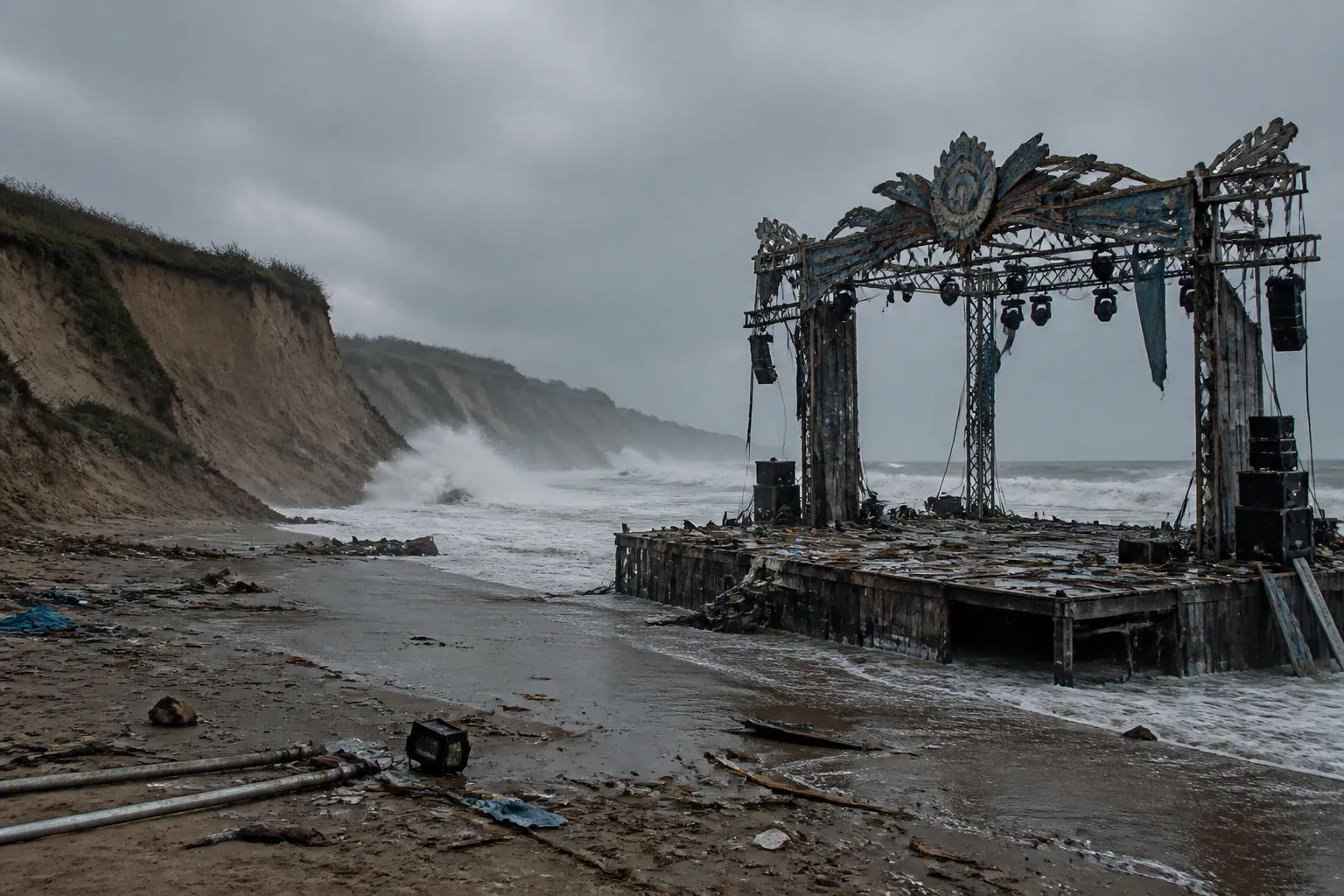
Cornwall’s budding festival, Kernowfornia, was likewise shelved when its organisers entered liquidation. The three‑day East Looe Beach show, the successor to the debt‑laden Making Waves, was pulled in September, a move confirmed on the festival’s own social media and reported by local press.
In contrast, independent festivals are carving out a niche. Nene Valley Rock Festival will return to Grimsthorpe Castle near Bourne on 3‑6 September, headlining FM and Focus. Organiser Tony Castle said the event will cap sales at 1,000 tickets a day to preserve a boutique feel and keep the show non‑profit. The focus on quality amenities—on‑site cleaning crews, free showers, and glamping tents with real beds—has earned the festival a devoted following. The castle’s grounds provide a historic backdrop, and the limited capacity ensures a close connection between performers and audiences.
Maid of Stone, a 5,000‑strong gathering in Maidstone, Kent, will stage its fourth edition next weekend, featuring Saxon and Uriah Heep. The venue sits on the former Ramblin’ Man Fair grounds, once home to Whitesnake and ZZ Top before the festival shut down post‑COVID. Organiser Chris Wright warned that the UK has already lost over 100 festivals since 2024, and a looming recession and fuel shortages may worsen the trend. The Ramblin’ Man Fair once accommodated 12,000 attendees and featured acts like Whitesnake and ZZ Top before its 2019 shutdown.
The Association of Independent Festivals (AIF) recorded 30 cancellations or postponements in 2026, matched by an equal number of new festivals. While payment plans have spurred record sell‑outs and early sales, the AIF cautions that cash‑flow remains precarious, with several sold‑out shows still fighting to meet operating expenses. The body also highlighted that many festivals rely on advance ticket sales to cover upfront costs, a practice that can strain smaller organisers. The AIF also noted that payment plans—allowing fans to spread ticket costs over several months—have driven early buying, yet many organisers still face a cash‑flow crunch.
Rising headline fees also weigh on organisers. The AIF noted that agents now demand higher fees and sometimes full payment up front—an arrangement that can be crippling for newer festivals. The organisation has therefore urged the government to offer tax relief to grassroots events, arguing that such support would help preserve diversity in the festival landscape. The AIF argued that without tax incentives, grassroots festivals will struggle to compete with larger, corporate‑sponsored events that can afford higher upfront fees.
Rock N Roll Circus, slated for Norwich and Sheffield next month, will host James, The Streets and Richard Ashcroft. Spokesperson Karen Johnson said the show will blend classic festival staples with high‑wire and fire performances. Johnson also highlighted day‑ticket options in parks to cut travel and camping costs, aiming for a more budget‑friendly experience. The circus will also feature interactive stages and local food stalls, aiming to blend spectacle with community engagement.
Organisers facing mounting costs frequently lose substantial sums when festivals fail. The sector is pressed to discover sustainable business models that marry artistic ambition with fiscal responsibility, a challenge that extends beyond ticket pricing to sponsorship, production, and contingency planning. These challenges are compounded by rising production costs, marketing expenses, and the need for robust contingency funds to absorb unforeseen disruptions.
The landscape remains in flux. With Red Rooster and Kernowfornia off the calendar, Nene Valley Rock Festival and Maid of Stone stand confirmed. The AIF will keep tracking new launches and the solvency of current festivals, while the government faces pressure to weigh tax‑relief proposals. Stakeholders will watch closely as the AIF reports quarterly data and as policymakers debate the feasibility of fiscal relief for the sector.
Cornwall’s budding festival, Kernowfornia, was likewise shelved when its organisers entered liquidation. The three‑day East Looe Beach show, the successor to the debt‑laden Making Waves, was pulled in September, a move confirmed on the festival’s own social media and reported by local press.
In contrast, independent festivals are carving out a niche. Nene Valley Rock Festival will return to Grimsthorpe Castle near Bourne on 3‑6 September, headlining FM and Focus. Organiser Tony Castle said the event will cap sales at 1,000 tickets a day to preserve a boutique feel and keep the show non‑profit. The focus on quality amenities—on‑site cleaning crews, free showers, and glamping tents with real beds—has earned the festival a devoted following. The castle’s grounds provide a historic backdrop, and the limited capacity ensures a close connection between performers and audiences.
Maid of Stone, a 5,000‑strong gathering in Maidstone, Kent, will stage its fourth edition next weekend, featuring Saxon and Uriah Heep. The venue sits on the former Ramblin’ Man Fair grounds, once home to Whitesnake and ZZ Top before the festival shut down post‑COVID. Organiser Chris Wright warned that the UK has already lost over 100 festivals since 2024, and a looming recession and fuel shortages may worsen the trend. The Ramblin’ Man Fair once accommodated 12,000 attendees and featured acts like Whitesnake and ZZ Top before its 2019 shutdown.
The Association of Independent Festivals (AIF) recorded 30 cancellations or postponements in 2026, matched by an equal number of new festivals. While payment plans have spurred record sell‑outs and early sales, the AIF cautions that cash‑flow remains precarious, with several sold‑out shows still fighting to meet operating expenses. The body also highlighted that many festivals rely on advance ticket sales to cover upfront costs, a practice that can strain smaller organisers. The AIF also noted that payment plans—allowing fans to spread ticket costs over several months—have driven early buying, yet many organisers still face a cash‑flow crunch.
Rising headline fees also weigh on organisers. The AIF noted that agents now demand higher fees and sometimes full payment up front—an arrangement that can be crippling for newer festivals. The organisation has therefore urged the government to offer tax relief to grassroots events, arguing that such support would help preserve diversity in the festival landscape. The AIF argued that without tax incentives, grassroots festivals will struggle to compete with larger, corporate‑sponsored events that can afford higher upfront fees.
Rock N Roll Circus, slated for Norwich and Sheffield next month, will host James, The Streets and Richard Ashcroft. Spokesperson Karen Johnson said the show will blend classic festival staples with high‑wire and fire performances. Johnson also highlighted day‑ticket options in parks to cut travel and camping costs, aiming for a more budget‑friendly experience. The circus will also feature interactive stages and local food stalls, aiming to blend spectacle with community engagement.
Organisers facing mounting costs frequently lose substantial sums when festivals fail. The sector is pressed to discover sustainable business models that marry artistic ambition with fiscal responsibility, a challenge that extends beyond ticket pricing to sponsorship, production, and contingency planning. These challenges are compounded by rising production costs, marketing expenses, and the need for robust contingency funds to absorb unforeseen disruptions.
The landscape remains in flux. With Red Rooster and Kernowfornia off the calendar, Nene Valley Rock Festival and Maid of Stone stand confirmed. The AIF will keep tracking new launches and the solvency of current festivals, while the government faces pressure to weigh tax‑relief proposals. Stakeholders will watch closely as the AIF reports quarterly data and as policymakers debate the feasibility of fiscal relief for the sector.