Blab Music
UMAW Launches "Raise the Bar" Campaign to End Merch Cuts, Pay-to-Play, Door Polling and Contract Opacity in U.S. Venues
On July 8 2026, United Musicians and Allied Workers (UMAW) issued a resounding call to venues nationwide, unveiling the “Raise the Bar” campaign. The initiative demands that every U.S. venue adopt four baseline standards designed to protect performing artists from the most detrimental industry practices.
The four pillars are straightforward yet transformative: no merch cuts, no pay‑to‑play fees, no door polling, and full contract transparency. In its press release, UMAW explained that these policies are among the worst in the business, systematically eroding artists’ earning potential and professional autonomy.
To give the movement momentum, UMAW launched an online directory of venues that have already pledged to uphold the standards. The inaugural list features 23 establishments, from The Lab in San Francisco to Machines and Magnets in Pawtucket, and the organization plans to add more sites in the coming weeks.
The campaign’s debut was met with a wave of endorsements from key industry groups. On the same day, the Freelance Musicians Association of the AFM, Maine Music Alliance, Vocal Kentucky, and the Rising Artists Foundation each signed statements backing the initiative.
Merch cuts, pay‑to‑play fees, and door polling are especially common in venues owned by large corporate chains. Live Nation, which commands a substantial share of U.S. venues, has been singled out by artists and unions as a major driver of these practices. UMAW’s statement notes that “Large corporate venues, like those owned by the Live Nation monopoly, have made these practices too common across the industry, driving down working conditions for artists everywhere.”
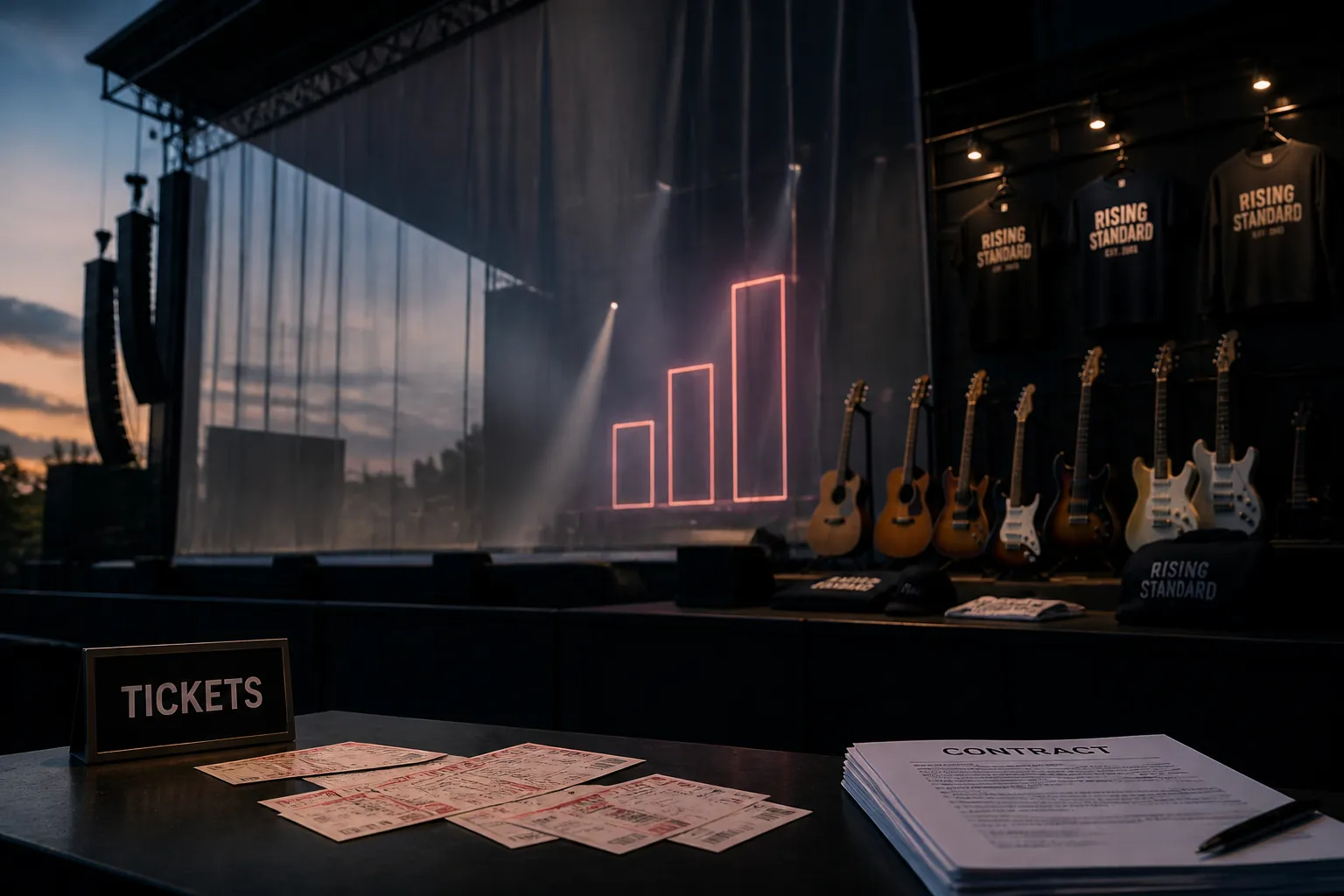
Each of the four standards addresses a specific pain point. Merch cuts eliminate the practice of venues taking a cut of an artist’s merchandise sales—a critical revenue stream for touring musicians. Pay‑to‑play fees, which require artists to pay for the privilege of performing, are viewed as a barrier to entry for emerging acts. Door polling, the practice of asking fans to pay extra for access to a show, is described as exploitative. Contract transparency requires venues to provide clear, written terms before an artist agrees to perform.
The directory is hosted on UMAW’s website, where venues can sign a pledge and receive a public badge indicating compliance. The organization encourages both fans and artists to contact local venues to request participation. According to the press release, the campaign is a grassroots effort to shift industry norms without relying on regulatory enforcement.
The launch arrives amid heightened scrutiny of the live‑events sector. In March 2026, a federal jury found Live Nation and Ticketmaster liable on antitrust claims brought by 33 states. While that case focused on ticketing practices, it has amplified awareness of corporate influence over venue policies.
Artists who have performed at the pledged venues report tangible improvements. A spokesperson for The Lab said the venue’s new policy eliminates the need for artists to negotiate separate merchandise agreements. Similar comments were echoed by representatives of Woodbine Chamber and Aeronaut Allston.
UMAW plans to monitor compliance and publish updates on the directory. The organization has not yet announced a timeline for expanding the list beyond the initial 23 venues, nor has it set a target for the number of venues that should sign on within a year. The campaign’s success will hinge on the willingness of venues—particularly those owned by large chains—to adopt the standards. For now, the 23 venues that have pledged to the Raise the Bar campaign represent a modest but significant step toward more equitable practices for touring musicians.
The four pillars are straightforward yet transformative: no merch cuts, no pay‑to‑play fees, no door polling, and full contract transparency. In its press release, UMAW explained that these policies are among the worst in the business, systematically eroding artists’ earning potential and professional autonomy.
To give the movement momentum, UMAW launched an online directory of venues that have already pledged to uphold the standards. The inaugural list features 23 establishments, from The Lab in San Francisco to Machines and Magnets in Pawtucket, and the organization plans to add more sites in the coming weeks.
The campaign’s debut was met with a wave of endorsements from key industry groups. On the same day, the Freelance Musicians Association of the AFM, Maine Music Alliance, Vocal Kentucky, and the Rising Artists Foundation each signed statements backing the initiative.
Merch cuts, pay‑to‑play fees, and door polling are especially common in venues owned by large corporate chains. Live Nation, which commands a substantial share of U.S. venues, has been singled out by artists and unions as a major driver of these practices. UMAW’s statement notes that “Large corporate venues, like those owned by the Live Nation monopoly, have made these practices too common across the industry, driving down working conditions for artists everywhere.”
Each of the four standards addresses a specific pain point. Merch cuts eliminate the practice of venues taking a cut of an artist’s merchandise sales—a critical revenue stream for touring musicians. Pay‑to‑play fees, which require artists to pay for the privilege of performing, are viewed as a barrier to entry for emerging acts. Door polling, the practice of asking fans to pay extra for access to a show, is described as exploitative. Contract transparency requires venues to provide clear, written terms before an artist agrees to perform.
The directory is hosted on UMAW’s website, where venues can sign a pledge and receive a public badge indicating compliance. The organization encourages both fans and artists to contact local venues to request participation. According to the press release, the campaign is a grassroots effort to shift industry norms without relying on regulatory enforcement.
The launch arrives amid heightened scrutiny of the live‑events sector. In March 2026, a federal jury found Live Nation and Ticketmaster liable on antitrust claims brought by 33 states. While that case focused on ticketing practices, it has amplified awareness of corporate influence over venue policies.
Artists who have performed at the pledged venues report tangible improvements. A spokesperson for The Lab said the venue’s new policy eliminates the need for artists to negotiate separate merchandise agreements. Similar comments were echoed by representatives of Woodbine Chamber and Aeronaut Allston.
UMAW plans to monitor compliance and publish updates on the directory. The organization has not yet announced a timeline for expanding the list beyond the initial 23 venues, nor has it set a target for the number of venues that should sign on within a year. The campaign’s success will hinge on the willingness of venues—particularly those owned by large chains—to adopt the standards. For now, the 23 venues that have pledged to the Raise the Bar campaign represent a modest but significant step toward more equitable practices for touring musicians.