Blab Music
Video Shows Gucci Mane Forced to Release Pooh Shiesty From Record Deal Amid Kidnapping Case
When a Dallas studio turned into a crime scene, a 4‑minute clip captured the moment that could redefine the relationship between a record label and its artists.
The footage, released by KERA News on April 2 2026, shows Atlanta rapper Gucci Mane—real name Radric Davis—standing in front of a camera while an armed man looms behind him in a Dallas music studio on Harry Hines Boulevard. On January 10 2026, the day prosecutors say Pooh Shiesty (Lontrell Williams Jr.) and eight others kidnapped and robbed Davis, the clip records a tense exchange that culminates in Davis announcing that he has signed a release, effectively dropping Shiesty from a contract.
In the clip, a man identified in court documents as R.D. strides toward a door. A second figure, named by prosecutors as Demarcus Glover, pulls out a firearm. Davis then turns to the camera and says, “I signed the paper it’s done.” Shiesty, who is also known as Pooh Shiesty, instructs Davis to inform the audience that he is being dropped from his record deal. KERA has reached out to Williams’ attorney for comment and will update the story if a response is received.
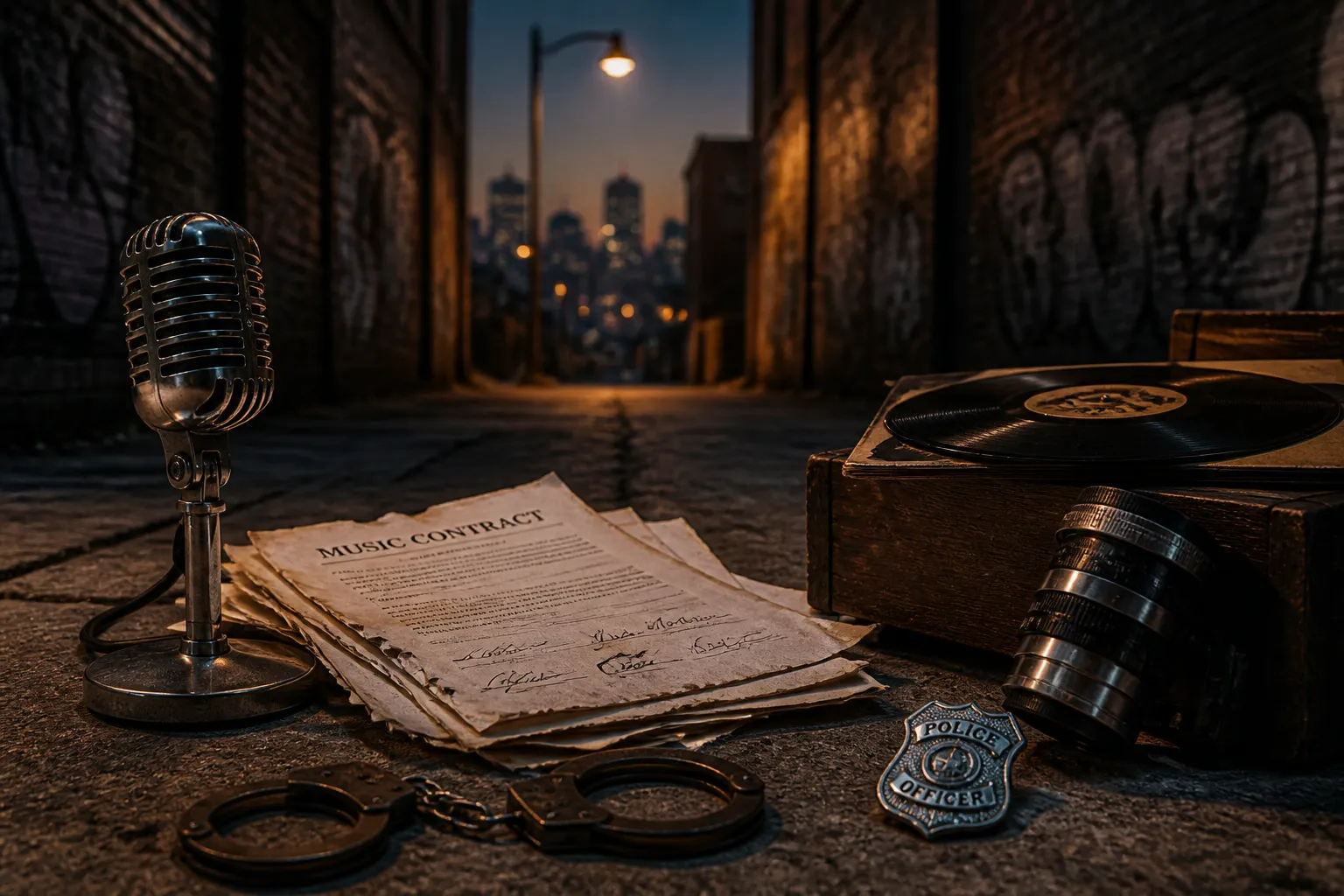
Prosecutors say the video is accompanied by a copy of the contract that Williams allegedly forced Davis to sign. Williams, his father, and seven others were charged in April with kidnapping, robbery and extortion of Davis in the Dallas studio. Williams pleaded not guilty to all charges. During an April bond hearing, his former attorney, Bradford Cohen, noted that federal investigators had not yet produced any physical evidence of the video or the alleged contract. Prosecutors argue that the evidence gaps have closed and that investigators are continuing to collect new evidence ahead of the trial scheduled for February 22.
The case also involves allegations that Williams leads the Memphis‑based “Choppa Gang” and that lyrics from his 2025 single “FDO” – which peaked at number 12 on the Billboard Hot 100 – contain autobiographical references to his incarceration and release. The filing cites the song’s opening lines, which reference walking out of jail and expressing contempt for federal authorities, and later verses that describe working out in a cell and reorganizing a gang.
The kidnapping and robbery allegations stem from an incident that began when Shiesty, who was signed to Gucci Mane’s 1017 Records in 2020, allegedly arranged a business meeting in Dallas to discuss contract terms. Prosecutors claim that Shiesty entered the studio with an AK‑style weapon, forced Davis to sign a release from his contract at gunpoint, and had Big30 (Rodney Wright Jr.) film the exchange. The video shows Glover holding a gun, and prosecutors say Shiesty also stole Davis’ wedding ring, earrings and watch, valued at $450,000.
After the January 10 incident, prosecutors allege that Shiesty was involved in a drunk‑driving accident. Court filings include text messages in which Shiesty says, “I got in a rec,” and a reply confirming he was drunk.
Gucci Mane has responded publicly through a diss track that references the alleged robbery. In the song, he raps about the pressure he felt in the studio and the betrayal he experienced, saying, “I walk in the room, you can feel the pressure building… I done been betrayed, now my heart turned cold.”
The case raises broader questions about the use of rap lyrics in criminal prosecutions. While prosecutors have cited Shiesty’s lyrics as evidence of intent, some legal scholars argue that such lyrics are artistic expression and should not be taken literally.
Shiesty’s legal troubles are not new. He was sentenced to five years in federal prison in June 2021 on firearms conspiracy charges and was released early in late 2025. He returned to music with the 2025 single “FDO,” which matched the chart success of his 2020 hit “Back in Blood.”
The federal indictment lists nine defendants, including Shiesty, Big30, Demarcus Glover, and others. The trial is set for February 22, 2026, and will determine whether the defendants are guilty of kidnapping, robbery and extortion. No resolution has yet been reached.
The case is being closely watched by the music industry, as it involves high‑profile artists, a major record label, and allegations of violent conduct. The outcome could have implications for artist‑label relationships and for how record contracts are negotiated and enforced.
For now, the video evidence and the accompanying court filings remain the primary sources of information. KERA will continue to monitor the case and provide updates as new developments arise.
The footage, released by KERA News on April 2 2026, shows Atlanta rapper Gucci Mane—real name Radric Davis—standing in front of a camera while an armed man looms behind him in a Dallas music studio on Harry Hines Boulevard. On January 10 2026, the day prosecutors say Pooh Shiesty (Lontrell Williams Jr.) and eight others kidnapped and robbed Davis, the clip records a tense exchange that culminates in Davis announcing that he has signed a release, effectively dropping Shiesty from a contract.
In the clip, a man identified in court documents as R.D. strides toward a door. A second figure, named by prosecutors as Demarcus Glover, pulls out a firearm. Davis then turns to the camera and says, “I signed the paper it’s done.” Shiesty, who is also known as Pooh Shiesty, instructs Davis to inform the audience that he is being dropped from his record deal. KERA has reached out to Williams’ attorney for comment and will update the story if a response is received.
Prosecutors say the video is accompanied by a copy of the contract that Williams allegedly forced Davis to sign. Williams, his father, and seven others were charged in April with kidnapping, robbery and extortion of Davis in the Dallas studio. Williams pleaded not guilty to all charges. During an April bond hearing, his former attorney, Bradford Cohen, noted that federal investigators had not yet produced any physical evidence of the video or the alleged contract. Prosecutors argue that the evidence gaps have closed and that investigators are continuing to collect new evidence ahead of the trial scheduled for February 22.
The case also involves allegations that Williams leads the Memphis‑based “Choppa Gang” and that lyrics from his 2025 single “FDO” – which peaked at number 12 on the Billboard Hot 100 – contain autobiographical references to his incarceration and release. The filing cites the song’s opening lines, which reference walking out of jail and expressing contempt for federal authorities, and later verses that describe working out in a cell and reorganizing a gang.
The kidnapping and robbery allegations stem from an incident that began when Shiesty, who was signed to Gucci Mane’s 1017 Records in 2020, allegedly arranged a business meeting in Dallas to discuss contract terms. Prosecutors claim that Shiesty entered the studio with an AK‑style weapon, forced Davis to sign a release from his contract at gunpoint, and had Big30 (Rodney Wright Jr.) film the exchange. The video shows Glover holding a gun, and prosecutors say Shiesty also stole Davis’ wedding ring, earrings and watch, valued at $450,000.
After the January 10 incident, prosecutors allege that Shiesty was involved in a drunk‑driving accident. Court filings include text messages in which Shiesty says, “I got in a rec,” and a reply confirming he was drunk.
Gucci Mane has responded publicly through a diss track that references the alleged robbery. In the song, he raps about the pressure he felt in the studio and the betrayal he experienced, saying, “I walk in the room, you can feel the pressure building… I done been betrayed, now my heart turned cold.”
The case raises broader questions about the use of rap lyrics in criminal prosecutions. While prosecutors have cited Shiesty’s lyrics as evidence of intent, some legal scholars argue that such lyrics are artistic expression and should not be taken literally.
Shiesty’s legal troubles are not new. He was sentenced to five years in federal prison in June 2021 on firearms conspiracy charges and was released early in late 2025. He returned to music with the 2025 single “FDO,” which matched the chart success of his 2020 hit “Back in Blood.”
The federal indictment lists nine defendants, including Shiesty, Big30, Demarcus Glover, and others. The trial is set for February 22, 2026, and will determine whether the defendants are guilty of kidnapping, robbery and extortion. No resolution has yet been reached.
The case is being closely watched by the music industry, as it involves high‑profile artists, a major record label, and allegations of violent conduct. The outcome could have implications for artist‑label relationships and for how record contracts are negotiated and enforced.
For now, the video evidence and the accompanying court filings remain the primary sources of information. KERA will continue to monitor the case and provide updates as new developments arise.