Blab Music
Six Artists Inducted into ARIA Hall of Fame as 40th Anniversary Celebration
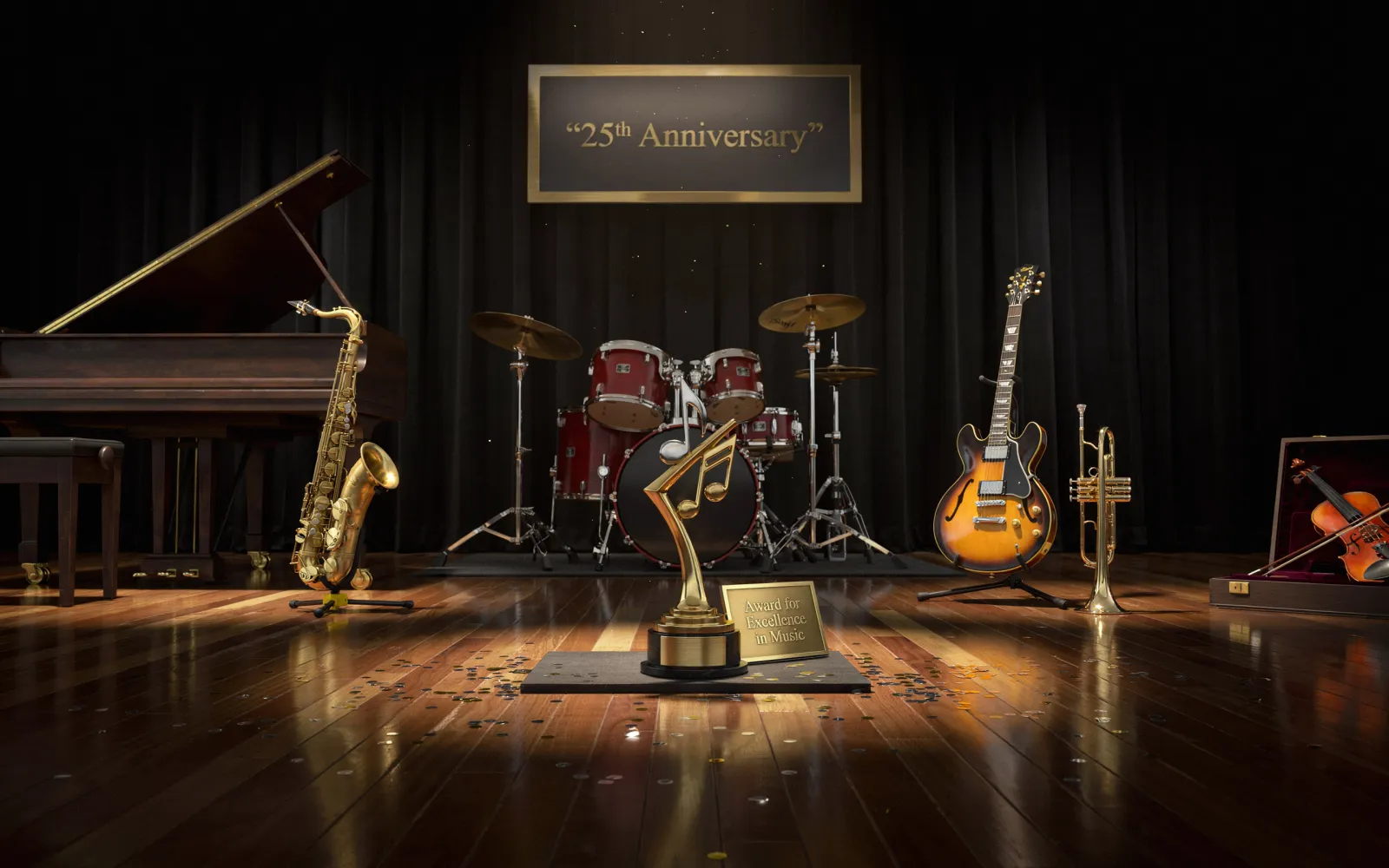
Six Australian musicians were elevated to the Australian Recording Industry Association (ARIA) Hall of Fame at a ceremony in Sydney on 11 June 2026. The inductees were Gurrumul, Jenny Morris, Kate Ceberano, Spiderbait, The Living End, and the sibling vocal duo Vika and Linda Bull. The event marked ARIA’s 40th anniversary and was the first time the Hall of Fame inducted more than one act in a single year.
The ceremony, held at Carriageworks, included a posthumous gong for Indigenous icon Gurrumul. The blind Yolŋu musician, born Geoffrey Gurrumul Yunupingu in 1971, died in 2017 at the age of 46 after a long battle with kidney and liver disease. He was a multi‑instrumentalist who performed worldwide, including at New York’s Carnegie Hall and the Queen’s Diamond Jubilee Concert in London. Gurrumul was previously inducted into the Hall of Fame in 2012 as a member of Yothu Yindi, making him one of only a handful of Australian performers to receive the honor twice.
The Living End, a Melbourne rock band formed in the early 1990s, reflected on their career during the ceremony. Frontman Chris Cheney told the Associated Press that the induction forced the band to look back: “We don’t spend a lot of time in the rear view mirror, but this has forced us to do it. It’s a pretty amazing journey from when we were 15 years old… to being inducted in the Hall of Fame – it’s the logical step, I guess.” The group is known for the 1990s hit “Prisoner of Society” and has won six ARIA awards.
Singer‑songwriter Kate Ceberano, who turns 60 in November, also spoke to AAP about the significance of the honor. She said, “It was a struggle … every venue, RSL, pub, club, you had to travel from Sydney to Melbourne three times in a month … fueled entirely on passion, your muse and the willingness to be amongst it.” Ceberano’s career spans more than four decades and includes top‑10 albums in five consecutive decades, placing her among a small group of Australian artists to achieve that feat.
New Zealand‑born, Australian‑based singer Jenny Morris was inducted alongside her. Morris’s early success came with the Crocodiles, and she later worked as a backing vocalist for INXS. Her solo albums “Shiver” (1989) and “Honeychild” (1991) reached the top five on the ARIA charts.
Spiderbait, a band from rural New South Wales formed in 1989, was recognized for their 2004 cover of Lead Belly’s “Black Betty,” which reached number one on the ARIA Singles Chart. Bass guitarist and singer Janet English told AAP that the band’s journey had been unexpected: “No one expected anything would ever happen, and then Nirvana happened, and then it went bonkers … we never thought anything would ever really happen. It’s a weird journey.”
The sibling duo Vika and Linda Bull were also inducted. While the ceremony did not detail their specific achievements, their inclusion underscores the breadth of talent represented in the Hall of Fame.
ARIA’s decision to induct six acts in 2026 was announced in May as part of the organization’s 40th‑anniversary celebrations, which include a partnership with Spotify. The Hall of Fame traditionally inducts one artist each year, but the expanded class reflects the milestone anniversary and the diverse contributions of the inductees to Australian music.
The 2026 Hall of Fame class highlights the evolution of Australian music across genres and generations, from Indigenous storytelling to alternative rock, pop, and vocal harmony. The ceremony served as a moment for the inductees and the industry to recognize the lasting impact of their work on the national and international music landscape.
The event concluded with a tribute to Gurrumul’s legacy and a celebration of the enduring influence of the six inductees. The ARIA Awards will continue to honor Australian music in the coming years, with the Hall of Fame serving as a permanent record of the country’s most significant contributors.
The ceremony, held at Carriageworks, included a posthumous gong for Indigenous icon Gurrumul. The blind Yolŋu musician, born Geoffrey Gurrumul Yunupingu in 1971, died in 2017 at the age of 46 after a long battle with kidney and liver disease. He was a multi‑instrumentalist who performed worldwide, including at New York’s Carnegie Hall and the Queen’s Diamond Jubilee Concert in London. Gurrumul was previously inducted into the Hall of Fame in 2012 as a member of Yothu Yindi, making him one of only a handful of Australian performers to receive the honor twice.
The Living End, a Melbourne rock band formed in the early 1990s, reflected on their career during the ceremony. Frontman Chris Cheney told the Associated Press that the induction forced the band to look back: “We don’t spend a lot of time in the rear view mirror, but this has forced us to do it. It’s a pretty amazing journey from when we were 15 years old… to being inducted in the Hall of Fame – it’s the logical step, I guess.” The group is known for the 1990s hit “Prisoner of Society” and has won six ARIA awards.
Singer‑songwriter Kate Ceberano, who turns 60 in November, also spoke to AAP about the significance of the honor. She said, “It was a struggle … every venue, RSL, pub, club, you had to travel from Sydney to Melbourne three times in a month … fueled entirely on passion, your muse and the willingness to be amongst it.” Ceberano’s career spans more than four decades and includes top‑10 albums in five consecutive decades, placing her among a small group of Australian artists to achieve that feat.
New Zealand‑born, Australian‑based singer Jenny Morris was inducted alongside her. Morris’s early success came with the Crocodiles, and she later worked as a backing vocalist for INXS. Her solo albums “Shiver” (1989) and “Honeychild” (1991) reached the top five on the ARIA charts.
Spiderbait, a band from rural New South Wales formed in 1989, was recognized for their 2004 cover of Lead Belly’s “Black Betty,” which reached number one on the ARIA Singles Chart. Bass guitarist and singer Janet English told AAP that the band’s journey had been unexpected: “No one expected anything would ever happen, and then Nirvana happened, and then it went bonkers … we never thought anything would ever really happen. It’s a weird journey.”
The sibling duo Vika and Linda Bull were also inducted. While the ceremony did not detail their specific achievements, their inclusion underscores the breadth of talent represented in the Hall of Fame.
ARIA’s decision to induct six acts in 2026 was announced in May as part of the organization’s 40th‑anniversary celebrations, which include a partnership with Spotify. The Hall of Fame traditionally inducts one artist each year, but the expanded class reflects the milestone anniversary and the diverse contributions of the inductees to Australian music.
The 2026 Hall of Fame class highlights the evolution of Australian music across genres and generations, from Indigenous storytelling to alternative rock, pop, and vocal harmony. The ceremony served as a moment for the inductees and the industry to recognize the lasting impact of their work on the national and international music landscape.
The event concluded with a tribute to Gurrumul’s legacy and a celebration of the enduring influence of the six inductees. The ARIA Awards will continue to honor Australian music in the coming years, with the Hall of Fame serving as a permanent record of the country’s most significant contributors.